

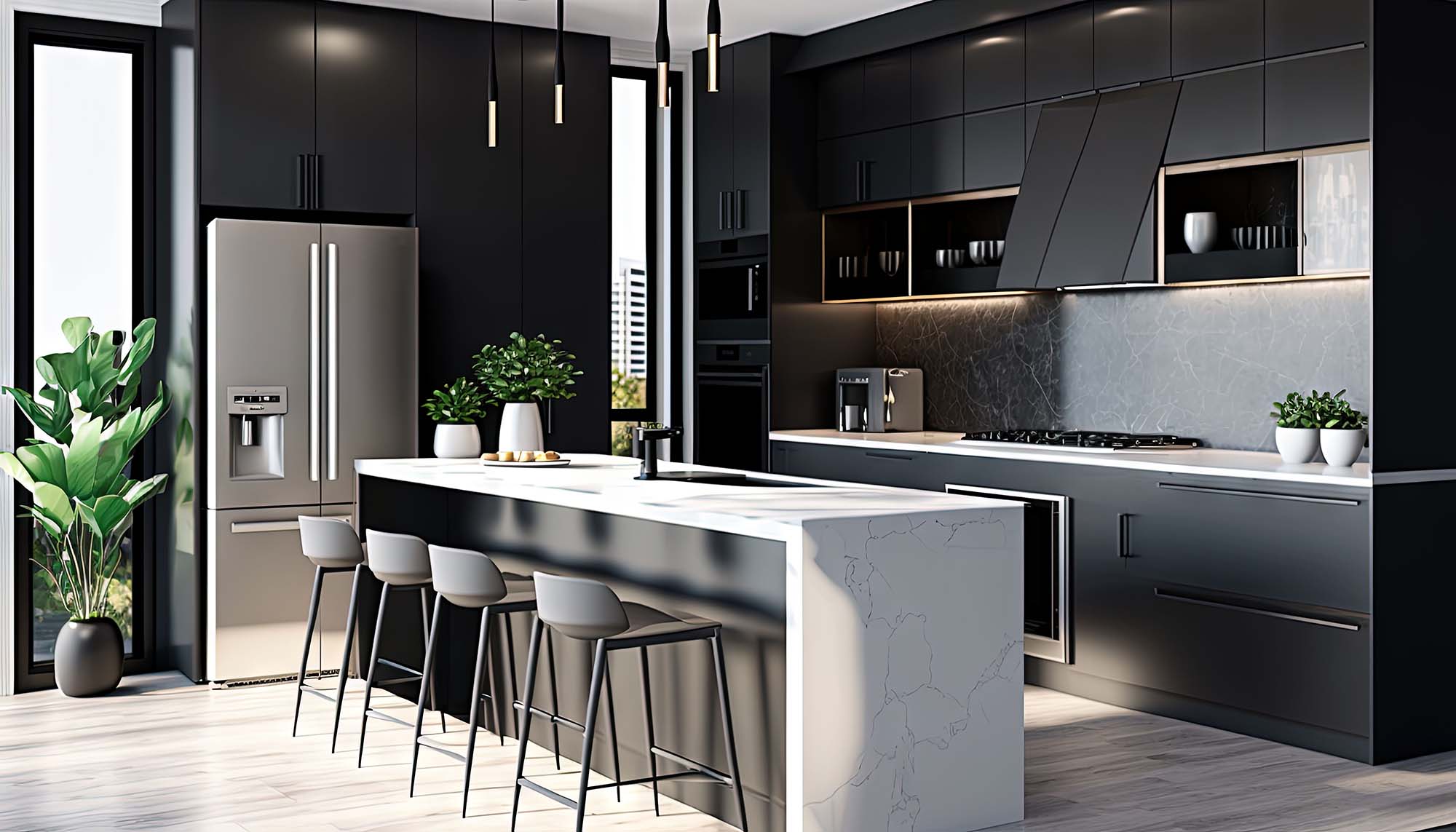
Kitchen flooring needs to handle spills, frequent foot traffic, dropped utensils, and regular cleaning without sacrificing style. Laminate flooring and tile are two popular choices, but they offer different advantages depending on your household, budget, and design preferences. Before choosing between them, consider how each material responds to moisture, how comfortable it feels underfoot, and what it takes to maintain it over time. The right flooring should suit the way you actually use your kitchen, not just how you want it to look.
How Laminate Flooring and Tile Handle Everyday Kitchen Life
Laminate flooring offers the appearance of hardwood, stone, or other natural materials through layered construction and a decorative surface. Many modern products feature realistic textures and protective wear layers, making them attractive options for busy homes.
Tile, including porcelain and ceramic, is valued for its hard surface and resistance to everyday spills. Porcelain tile generally offers low water absorption, while ceramic tile performance depends on the particular product and its specifications.
For kitchens, the main consideration is moisture exposure. Water left around a dishwasher, refrigerator, or sink can damage laminate products that are not designed for those conditions. Water-resistant laminate can be suitable for some kitchens, but you should check the manufacturer's requirements rather than assume every product is waterproof.
Comfort, Temperature, and Appearance
The flooring you choose affects how your kitchen feels throughout the day. Laminate generally feels warmer and somewhat more forgiving underfoot than conventional tile. It can be appealing if you spend long periods preparing meals or standing at the counter.
Tile offers a solid, durable surface and a wide range of colors, patterns, sizes, and finishes. It can complement Southwestern-inspired kitchens as well as contemporary designs with clean lines and understated colors. However, tile may feel cold and hard underfoot, especially during cooler mornings.
Laminate flooring trends 2027 include continued interest in natural-looking wood visuals, varied plank widths, and finishes that coordinate with warm cabinetry. Tile provides equally broad design flexibility, from understated neutrals to decorative patterns.
Comparing Installation and Long-Term Costs
Laminate flooring installation often involves a floating-floor system in which planks lock together over an appropriate prepared subfloor. Depending on the product and room conditions, installation can be relatively straightforward.
Tile installation typically requires more extensive preparation, careful layout, adhesive application, grouting, and attention to transitions. Uneven subfloors can complicate either project, but tile is particularly dependent on a suitable, stable substrate.
When comparing costs, include more than the price per square foot. Underlayment, subfloor repairs, trim, transitions, grout, and labor can all affect the final estimate. Tile may have a higher initial installation cost, while laminate may be more economical for certain renovations. Actual costs depend on the selected products and the condition of your kitchen.
Which Flooring Makes More Sense for Your Kitchen?
The best choice depends on your priorities. Tile is often a strong option for kitchens where water exposure is a primary concern. Laminate may appeal to homeowners who want a wood-inspired appearance, a comfortable walking surface, and a potentially lower installation budget.
If you are considering laminate flooring for kitchens, look specifically for products approved for kitchen use and follow the manufacturer's guidance for spills, cleaning, and moisture protection. Professional advice can help you determine whether the subfloor and room conditions are appropriate.
Find the Right Kitchen Floor for Your Home
Both laminate and tile can create an attractive kitchen, but their differences matter when you consider moisture, comfort, maintenance, and installation costs. Think about your household's routines and the conditions your floor must handle before making a final decision. If you are planning a kitchen update, contact us today to discuss your needs.
You can visit our showroom to compare materials, colors, textures, and finishes in person. Stonewood Flooring can help homeowners in Albuquerque, NM explore suitable options through Albuquerque, NM and Santa Fe, NM. For additional guidance and flooring choices, support is available throughout Rio Rancho, NM, Santa Fe, NM, Los Lunas, NM, Belen, NM, and Los Alamos, NM.


